The Evolution of Supercars
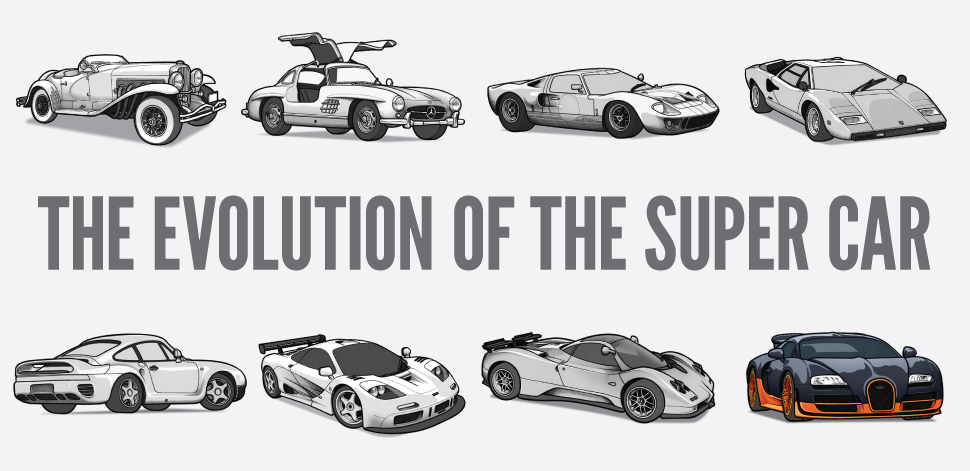
Source www.buyagift.co.uk
Supercars have come a long way since their early days, evolving from simple high-performance machines into the jaw-dropping marvels we see today. In this article, we'll take a laid-back stroll through time, exploring how engineering advancements, design trends, and the burning passion for speed have shaped these incredible vehicles. Whether you're a die-hard car enthusiast or just someone who admires beauty on wheels, there's something about supercars that captures our imagination and fuels our dreams. So, buckle up as we dive into the thrilling journey of supercars through the years!
The Birth of Supercars
The term 'supercar' is often thrown around, but what does it really mean? The evolution of supercars began in the mid-20th century when manufacturers like Ferrari, Lamborghini, and Porsche began to push the boundaries of speed, performance, and design. The 1960s saw the introduction of cars that weren’t just fast; they were the embodiment of passion and engineering brilliance. Models like the Ferrari 250 GTO and the Lamborghini Miura redefined what performance vehicles could be. These cars weren’t just about getting from point A to point B; they were about the experience, the thrill of driving, and the unmistakable roar of an engine. Considering their impact, the Miura is often heralded as the world’s first true supercar, merging practicality with blazing speed, and setting the stage for what was to come. This period was crucial because it laid down the foundation for supercars to move from mere transportation machines to moving art pieces filled with technological advancements. Today, the definition of a supercar has expanded, but it all started with that magical blend of power, design, and exclusivity.
The Golden Age of Supercars
The 1980s and 90s are often referred to as the golden age of supercars. This era introduced some of the most legendary models that still have a cult-like following today. The iconic Lamborghini Countach, with its sharp angles and dramatic scissor doors, became the poster child for supercars at this time. Then came the Ferrari F40, which was born out of competition and designed with the sole purpose of being fast. With its lightweight body and a twin-turbo V8 engine, the F40 not only highlighted Ferrari’s racing pedigree but also captured the imagination of car enthusiasts around the world. Another significant player was the McLaren F1, which boasted a record top speed of 240 mph and introduced innovations like a central driving position and extensive use of carbon fiber. These vehicles were not just an evolution in terms of speed; they also pushed aesthetic boundaries and introduced features that were unheard of at the time, including advanced aerodynamics and lightweight construction. This golden age shaped consumer expectations for the supercar, setting a high standard that subsequent generations of manufacturers would strive to meet or surpass.
The Supercar Wars
The late 90s and early 2000s witnessed what can be described as a supercar war. Manufacturers were in an arms race, each aiming to outdo the other in terms of speed, technology, and design. The introduction of the Bugatti Veyron in the mid-2000s took the world by storm. With its quad-turbocharged W16 engine, the Veyron became the fastest production car on the planet, boasting a top speed of 267 mph. Lamborghini responded with the Murcielago, which offered a striking design and an exhilarating driving experience. Meanwhile, the Ferrari Enzo, named after the brand’s founder, combined incredible performance with cutting-edge technology, including a carbon-fiber chassis and an intricate telemetry system that allowed drivers to push the limits of their abilities. Each of these models showcased the lengths manufacturers were willing to go to not just to capture market share but also to set engineering milestones that would define their legacies. The rivalry fueled innovation, leading to advancements in materials and aerodynamics while also making supercars more accessible through technology trickling down to performance cars at lower price points.
The Rise of Hybrid Supercars
As we shifted into the 2010s, a new trend emerged: the rise of hybrid supercars. With growing concerns over environmental issues, brands began to integrate electric and hybrid technologies into their high-performance models. The Porsche 918 Spyder was one of the first to truly embrace this new philosophy, melding its traditional combustion engine with electric motors for a combined output of 887 horsepower. This revolutionary hybrid not only delivered blistering speed but also allowed for improved efficiency and reduced emissions, making it a groundbreaking model in the supercar hierarchy. Ferrari followed suit with the LaFerrari, which highlighted the brand's commitment to sustainability without sacrificing Porsche's performance—that was a striking achievement in engineering. This was not merely an expansion of technology; it was a fundamental shift in how supercars were perceived. Instead of being solely about power at any cost, the narrative began to incorporate a sense of responsibility, allowing enthusiasts to enjoy performance without the associated guilt of environmental degradation. The combination of electric power and high-octane speed showcased that supercars could evolve without losing their soul.
The Advent of Autonomous Features
Fast forward to the present day, where the latest supercars are not just about speed and design but also technological innovation. Manufacturers have begun to incorporate semi-autonomous features, bringing an entirely new dimension to the term ‘supercar.’ Vehicles like the Tesla Roadster have initiated discussions around electric supercars, moving towards full autonomy without sacrificing the performance aspects we all adore. Even brands traditionally associated with pure performance, like Bugatti and McLaren, are exploring how autonomous systems can enhance the driving experience while providing safety functionalities. Many supercars now feature adaptive cruise control, lane-keeping assist, and other driver-aid technologies that allow for a seamless blend of driving enjoyment and modern conveniences. It’s a fascinating mix—balancing the thrill of driving with the comfort of knowing that technology can step in when needed. This is paralleled by the rising trend of connectivity, where vehicles are increasingly able to communicate with their environments, bridging the gap between driving and the modern tech age. The introduction of these features may challenge the traditional notions of what it means to be a supercar, yet it has also opened the door for a new generation of enthusiasts who crave both thrill and modern conveniences.
Supercars and Sustainability
The conversation surrounding supercars isn't just technical but also ethical. As environmental worries grow, there’s an urgent demand for sustainable practices across all industries, including automotive. Brands are rethinking their approaches, and the supercar industry is no exception. Many manufacturers are aiming for net-zero carbon emissions by 2030, prompting them to re-evaluate the materials, manufacturing processes, and technologies they use. Notable examples include Lamborghini announcing their plans for a fully hybrid lineup by the end of the decade, while Ferrari has been gradually shifting towards electric models as well. Additionally, aspects like carbon offsetting have gained traction, where brands commit to planting trees or funding renewable energy projects to balance out their carbon footprint. The development of recyclable materials and sustainable sourcing has become a focal point, showing that passion for performance can coexist with a commitment to the planet. The shift is indicative not only of market demands but also of changing consumer sentiments. Today's buyers are more educated and prefer products that align with their values, pushing manufacturers in the direction of sustainability while still promising exhilarating experiences.
The Future of Supercars
As we look ahead, the future of supercars is as exciting as it has ever been. With ever-advancing technology, we can expect to see electric supercars that boast performance numbers previously reserved for their gas-guzzling predecessors. The likes of Rimac and Pininfarina are already showcasing what the future can hold, with fully electric supercars that deliver outrageous speed and torque while carrying the promise of zero emissions. Furthermore, the integration of AI and machine learning could lead to personalized driving experiences, where cars adapt to individual driving styles or even predict and react to road conditions in real-time. Innovations in materials science might yield lighter and stronger builds, increasing overall performance and efficiency. As collective consciousness shifts toward sustainability, it’s also likely that we’ll see supercars that don’t just perform well but also contribute positively to the society and environment around them. It’s an exhilarating time for supercar enthusiasts, as the next generation of these machines is being created at the crossroads of performance, technology, and ecological responsibility. Whatever the future holds, one thing's for sure: the spirit of the supercar will endure, continually evolving while still thrilling drivers across the globe.
A New Breed: Electric Supercars
The advent of fully electric supercars marks a transformative chapter in automotive history. These vehicles are not just alternatives to traditional supercars; they are redefining the narrative. Companies like Tesla have proven that electric cars can deliver blistering performance and jaw-dropping acceleration, shattering preconceived notions that electric vehicles compromise on speed or agility. The Tesla Roadster, with its 0-60 mph time of under two seconds, has forced the automotive world to stand up and take notice. Other manufacturers are joining this electric revolution, with brands like Rimac, Lucid Motors, and even traditional players like Porsche and Ferrari introducing electric models. The beauty of electric supercars goes beyond just blistering speed; the instant torque offered by electric motors provides a unique driving feel that many argue is unparalleled. The driving experience is becoming less about engine roar and more about the sensation of acceleration and the overall connection with the road. With advancements in battery technologies, such as solid-state batteries, we can also expect to see improvements in range and charging times, making electric supercars more accessible. This new breed of supercar is ushering in an era where performance meets responsibility, and the results are breathtaking.
The Community and Culture of Supercar Enthusiasts
Finally, no discussion on the evolution of supercars would be complete without acknowledging the vibrant community that surrounds them. Supercars have cultivated a passionate and diverse group of enthusiasts worldwide. Owners often participate in exclusive car clubs, organize meet-ups, and attend events like supercar rallies and track days. These gatherings are not just about showcasing extravagant vehicles but are also opportunities for networking, sharing experiences, and appreciating the artistry involved in automotive design. Online forums and social media groups create platforms for fans to engage with one another, exchanging tips, showcasing their rides, and discussing the latest industry trends. The culture of supercar enthusiasts fosters a deep appreciation for performance, engineering, and often the artistry that goes into each vehicle. Moreover, it’s a community that often gives back, with many supercar rallies supporting charitable causes. This spirit of camaraderie highlights a culture not just defined by wealth but by a collective passion for performance and innovation, ensuring that the supercar ethos remains vibrant and relevant for years to come.
Shifting Gears: The Evolution of Supercar Technologies
As we zoom into the heart of supercars, it's essential to recognize that the evolution of these high-performance vehicles has been driven by cutting-edge technology. The transition from traditional internal combustion engines to hybrid and electric powertrains marks a significant shift in how supercars are designed and perceived. In the early days, supercars like the Lamborghini Miura and Ferrari 512 were all about raw power and muscular styling. These iconic vehicles relied heavily on large engines that could deliver exceptional speed and performance. But as the automotive industry evolved, so did the demands of driving enthusiasts and the need for sustainability.
Today, many manufacturers are integrating advanced technologies like hybrid systems, which not only enhance performance but also improve fuel efficiency. Cars such as the Porsche 918 Spyder and the Ferrari LaFerrari are perfect examples of how electricity can complement traditional fuels, offering blistering speed while reducing emissions. Moreover, the introduction of all-electric supercars like the Rimac C_Two has revolutionized the supercar landscape, proving that electric vehicles can perform at the same, if not higher, levels than their gas-guzzling predecessors. This shift not only reflects a commitment to innovation but also highlights the automotive industry's increasing responsibility towards the environment.
In addition to powertrains, advances in materials science have changed the way supercars are constructed. The use of carbon fiber, aluminum, and cutting-edge composites has made cars lighter, faster, and more agile without compromising safety or structural integrity. Brands like McLaren and Bugatti employ these materials extensively, leading to notable increases in performance. It's fascinating to realize that every aspect of a supercar, from the wheels to the chassis, is meticulously designed to create the ultimate driving experience.
Design Trends and Aerodynamics in Supercars
Design in the realm of supercars is an art form in itself. While the raw performance of a car is undoubtedly crucial, aesthetics play a pivotal role in garnering excitement and admiration. Over the years, supercar designs have evolved from sharp and angular shapes to sleek, aerodynamic forms that scream speed and innovation. Iconic models like the Ferrari Enzo and Lamborghini Aventador showcase designs that are not just about looks but are also meticulously crafted to enhance airflow, reduce drag, and improve stability at high speeds.
Aerodynamics is the backbone of any supercar’s design; it’s what allows these vehicles to slice through the air seamlessly, enhancing both speed and fuel efficiency. The introduction of features like active aerodynamics and adjustable spoilers has revolutionized how supercars manage air resistance. These technologies allow the car to dynamically adjust its aerodynamic profile based on speed and driving conditions, ensuring that drivers can maintain control and performance at any level.
Additionally, the integration of modern design philosophies, such as minimalism and functionality, is evident in many new supercar models. Interior layouts are becoming cleaner and more driver-focused, with an emphasis on state-of-the-art infotainment systems and ergonomic controls that enhance the driving experience. Manufacturers are ensuring that while the exterior garners attention, the interior serves as a hub of modernity and comfort.
Supercar Brands: Legacy and Innovation
The supercar segment is dominated by a few key brands, each with its own unique legacy and approach to innovation. Brands like Ferrari, Porsche, and Lamborghini have cemented their status in the supercar world, often representing the pinnacle of engineering and design. However, the industry is also witnessing the rise of new contenders that are pushing the limits of what a supercar can be. Companies like Koenigsegg and Rimac are redefining performance standards and incorporating eco-friendly technologies that appeal to a new generation of car enthusiasts.
A brand like Ferrari embodies tradition and excellence, continually refining its models to enhance performance while honoring its rich heritage. The latest Ferrari models showcase not only a tribute to their iconic predecessors but also a leap towards sustainable practices with hybrid technologies. Lamborghini, on the other hand, continues to challenge conventions with outrageous designs and roaring performance, echoing their mantra of 'unleashing the bull.'
Meanwhile, the suggestions of electric supercars like the Tesla Roadster and Rimac C_Two not only show how established brands are evolving but also hint at a future where speed and sustainability go hand in hand. These brands are breaking barriers and setting new records, showing the world that performance can coexist with responsibility. In this ever-evolving landscape, the blend of legacy and innovation is what keeps the supercar spirit alive.
Driving Experience: The Thrill of the Supercar
The driving experience of a supercar is unlike any other. For enthusiasts, it’s not just about how fast you can go but how the car makes you feel while you’re behind the wheel. The roar of a finely-tuned V8 or the instant torque from an electric vehicle can send shivers down your spine. Supercars are engineered to offer a visceral connection between man and machine, where every detail is designed to heighten the thrill of driving.
From the moment you slip into the driver’s seat, you’re enveloped in a world of performance. High-tech instrumentation, luxurious materials, and race-inspired ergonomics create an environment that screams high performance. The moment you press the ignition button and unleash the power from the engine, the thrill begins. Acceleration is nothing short of mind-boggling, with some supercars able to go from 0 to 60 mph in a matter of seconds. This rush of speed is expertly balanced by cutting-edge handling capabilities, thanks to advancements in suspension systems and tire technology.
Moreover, the engagement doesn’t end with the engine's power; it’s also in the sound, feel, and response of the car. The engineers continuously refine the chassis and driving dynamics, allowing enthusiasts to experience near-perfect control. Whether you’re maneuvering through tight corners or cruising down a winding highway, supercars are designed to amplify your driving skills while providing unparalleled excitement. It’s no wonder that this driving experience is often referred to as an “escape” from reality, making every moment behind the wheel an unforgettable experience.
FAQs about Supercars
1. What defines a supercar?
A supercar is typically defined by its extraordinary performance, cutting-edge technology, stunning design, and exclusivity. These vehicles usually have very high top speeds and impressive acceleration times.
2. Are supercars only limited to traditional combustion engines?
No, modern supercars are increasingly incorporating hybrid and electric powertrains, enhancing performance while focusing on sustainability.
3. What is an example of a hybrid supercar?
Examples of hybrid supercars include the Ferrari LaFerrari, Porsche 918 Spyder, and McLaren P1, all of which combine electric and traditional combustion engines to optimize performance.
4. Why are supercars so expensive?
Supercars are expensive due to their limited production, high-quality materials, advanced technology, and the extensive research and development involved in building them.
5. How has the design of supercars changed over the years?
Supercar designs have shifted towards more aerodynamic shapes with a focus on efficiency and performance, moving from sharp angles to sleek, smooth lines.
6. Can you name some iconic supercar brands?
Yes, iconic supercar brands include Ferrari, Lamborghini, McLaren, Bugatti, and Porsche, each known for their legendary models.
7. How fast can modern supercars go?
Many modern supercars can exceed speeds of over 200 mph, with some models like the Bugatti Chiron capable of reaching nearly 300 mph.
8. What is the future of supercars?
The future of supercars likely includes more hybrid and electric models, with a focus on sustainability while maintaining the thrill of speed.
9. Are supercars street legal?
Most supercars are street legal, but regulations may vary by country regarding emissions and safety requirements.
10. What is the typical horsepower of a supercar?
Supercars typically range from 500 horsepower to well over 1,000 horsepower, depending on the model and engine configuration.
11. Do supercars hold up in everyday driving conditions?
While supercars can be driven in everyday conditions, their performance-oriented designs may not provide the comfort and practicality of regular vehicles.
12. What are some of the best supercars to consider owning?
Some of the best supercars to consider owning are the AMG GT, Audi R8, and the McLaren 720S, depending on personal preference and budget.
13. How important is aerodynamics in supercar performance?
Aerodynamics is crucial in supercar performance as it impacts speed, stability, and fuel efficiency, with many designs optimized for airflow.
14. Are supercars environmentally friendly?
While traditional supercars have a high environmental impact, many manufacturers are focusing on hybrid and electric models to create more eco-friendly options.
15. What is the most expensive supercar ever sold?
The most expensive supercar ever sold at auction was a 1955 Ferrari 410 Sport Spider, which fetched over $22 million, illustrating the value of rare, historic models.

Posting Komentar untuk "The Evolution of Supercars"
Posting Komentar